Preventative Maintenance for Medical Devices & Equipment in 2026
Commercial medical equipment powers critical healthcare workflows every day. For teams that service medical equipment in commercial facilities, keeping this equipment running reliably is a regulatory necessity that allows healthcare facilities to provide care for their customers.
This guide covers the essentials of preventative maintenance (PM) for medical devices and equipment, why it matters, the U.S. Food and Drug Administration’s regulatory changes in 2026, and how to implement an effective maintenance program.
What Is Preventative Maintenance for Medical Devices & Equipment?
Preventative maintenance in medical service refers to scheduled, proactive inspection, testing, servicing, and documentation of equipment before failures occur. It focuses on maintaining performance, safety, and regulatory compliance, rather than reacting to breakdowns.
For clinical environments, preventative maintenance includes:
- Performance verification
- Electrical safety testing
- Cleaning, calibration, and replacement of wear components
- Software/firmware checks
- Documentation of outcomes
PM supports both operational goals and broader quality system requirements defined by regulatory authorities, such as the U.S. FDA.
Why Preventative Maintenance Is Important for Medical Devices
For life science, biomedical, and imaging service teams, PM matters because:
- Equipment uptime directly impacts patient care and diagnostics
- Unplanned failures can disrupt clinical schedules and lab throughput
- Timely maintenance protects warranty and service contract terms
- Accurate service histories help in audits and quality reviews
- PM demonstrates professional stewardship of high-cost assets
In highly regulated environments, documented PM isn’t just best practice — it’s part of the quality lifecycle of the device.
U.S. FDA Updates Device Quality Requirements for 2026
As mentioned above, the U.S. FDA regulates the servicing of medical devices. On February 2, 2026, the FDA began using the Quality Management System Regulation (QMSR), which harmonizes U.S. requirements with the international standard ISO 13485:2016. This shift emphasizes documented quality processes, risk management, and traceability throughout the device lifecycle.
The FDA also sunset the Quality System Inspection Technique (QSIT) on the same date, replacing it with a risk-based inspection approach. Under the new program, FDA inspectors look more closely at systemic quality links — including how maintenance records are created, stored, and reviewed.
For medical equipment service professionals, this means documentation and traceability aren’t optional: they are part of overall quality expectations.
Benefits of Medical Device Preventative Maintenance
Medical device preventative maintenance delivers clear, measurable advantages:
- Increased equipment uptime and reliability
- Reduced emergency service calls and costly repairs
- Extended useful life of sensitive assets
- Improved safety and performance consistency
- Stronger warranty compliance and claims support
- Better audit outcomes with documented service logs
- Higher customer satisfaction due to fewer surprises
When done well, PM protects revenue streams and boosts customer trust.
Examples of Medical Devices & Equipment That Require Preventative Maintenance
Not all devices share the same maintenance needs, but typical categories that require structured PM include:
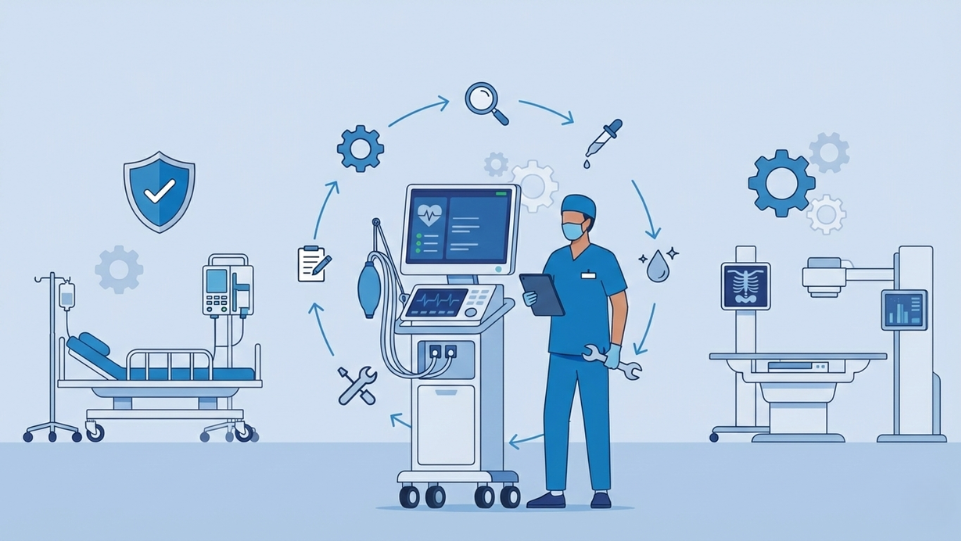
- Imaging Systems: MRI, CT, X-ray, Ultrasound
- Biomedical Devices: Infusion pumps, patient monitors, ventilators
- Laboratory Instruments: Analyzers, centrifuges, spectrometers
- Sterilization & Infection Control: Autoclaves, sterilizers
- Clinical Support Equipment: Beds, lifts, anesthesia machines
- Life Support Systems: Respiratory and dialysis machines
Each type has specific OEM-recommended PM tasks, cycles, and documentation expectations.
Challenges Associated with Maintaining Medical Devices & Equipment
Even the best teams face PM hurdles:
- Complexity of modern equipment with software and embedded systems
- Overlapping contracts or mixed OEM requirements
- Lack of centralized service history across sites
- Manual scheduling and poor visibility into planned vs completed PM
- Inconsistent technician documentation
- Regulatory documentation expectations under QMSR and ISO 13485 alignment
These challenges can lead to breakdowns, lost revenue, and compliance gaps if not addressed.
The Costs & Risks of Not Having a Preventative Maintenance Plan
Failing to maintain equipment proactively invites real risks:
- Unexpected equipment failures
- Costly emergency repairs and service callbacks
- Warranty denial due to missing PM records
- Reduced asset performance and life expectancy
- Higher operational disruptions for customers
- Compliance failures in audits (especially under the FDA’s QMSR)
- Lower customer satisfaction and potential contract loss
In regulated medical environments, lapses in PM documentation can also escalate legal and safety concerns.
How to Properly Implement Medical Equipment Preventative Maintenance
An effective medical equipment preventative maintenance program doesn’t happen by chance. Key components include:
- Asset-Focused Scheduling
Create PM schedules for each piece of equipment by model, serial number, location, and clinical impact using software equipped with asset tracking tools — not just by calendar date. This ensures high-risk or high-value assets receive the attention they need on the right frequency.
- Standardized Checklists
Use equipment-specific checklists aligned with OEM recommendations. Each checklist should include clear steps, expected outcomes, pass/fail criteria, and room for detailed technician notes.
- Centralized Documentation
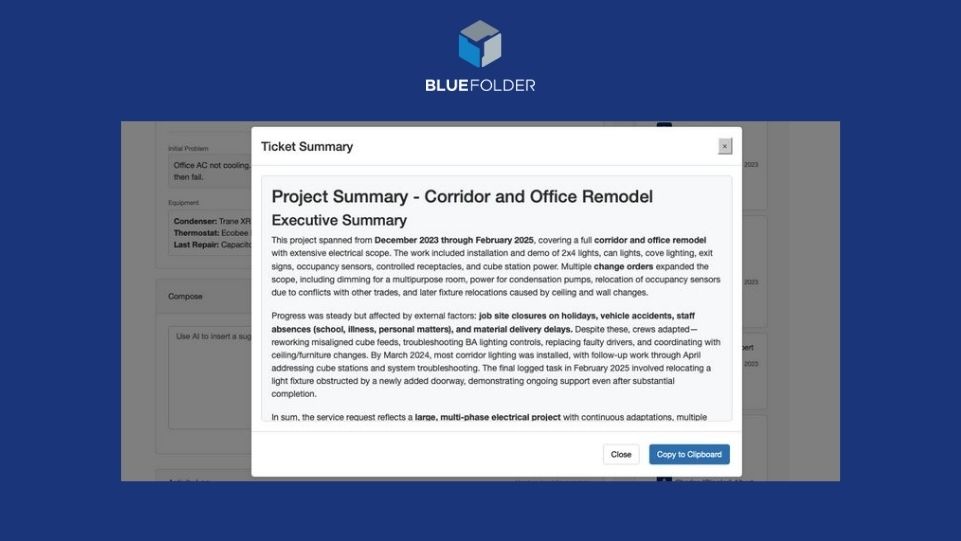
Record all work orders, inspection results, technician notes, and corrective actions in a searchable, centralized system. Consistent documentation supports quality reviews, audits, warranty validation, and handoffs between team members.
- Warranty Tracking
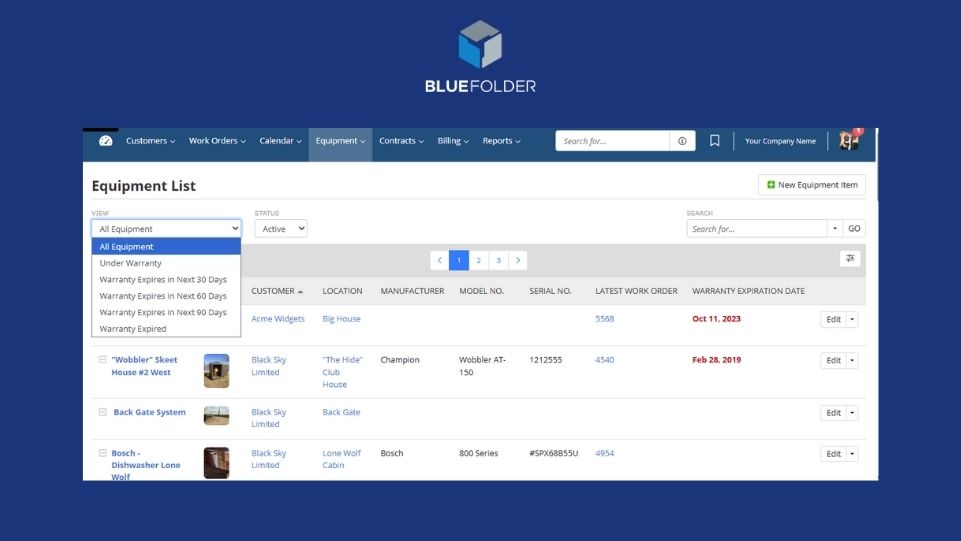
Track warranty status and expiration dates for every asset. Timely preventative maintenance can preserve warranty eligibility, and knowing when coverage lapses helps you plan service and replacement more effectively.
- Use Medical EquipmentService Software
Digital tools designed for medical equipment service management help ensure nothing slips through the cracks. Good PM software should allow you to:
- Trigger recurring PM work orders
- Store asset details (serials, models, locations)
- Link service history with warranties and contracts
- Capture technician notes and inspection results
- Generate reports for audits and quality reviews
For service teams managing multiple assets across sites, tools like BlueFolder medical equipment service software help automate scheduling, centralize service history, and support consistent execution of PM workflows.
Conclusion
In 2026, preventative maintenance for medical devices and equipment is more vital than ever. With regulatory expectations shifting toward documented quality systems under the FDA’s QMSR, service teams must combine structured PM programs with reliable execution and documentation.
A strong preventative maintenance program doesn’t just reduce failures — it protects warranties, supports audit readiness, enhances patient and customer outcomes, and sets medical equipment service organizations apart from their competitors.
If you want help implementing predictable, compliant PM workflows across your service operations, tools like BlueFolder can make it easier — without adding administrative overhead.