How to Track & Optimize Medical Imaging Equipment Maintenance
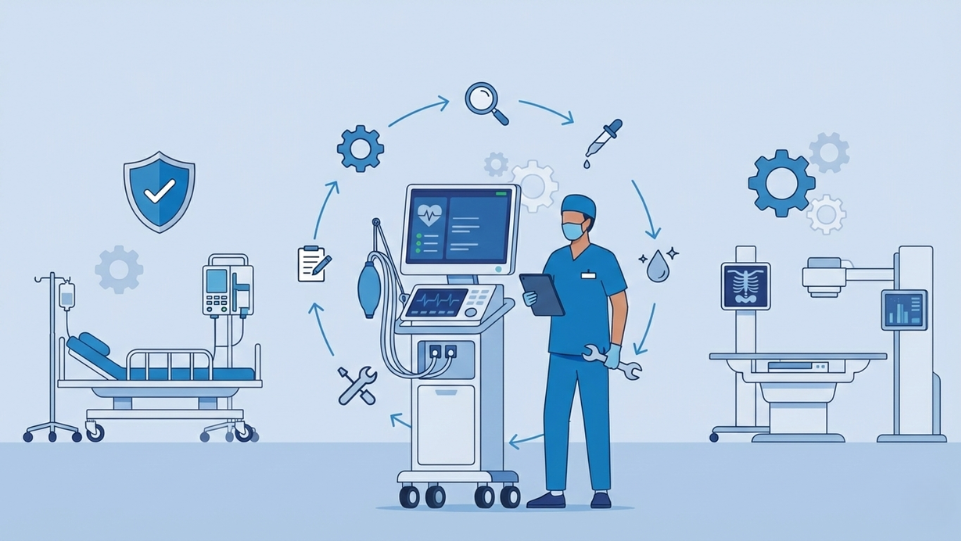
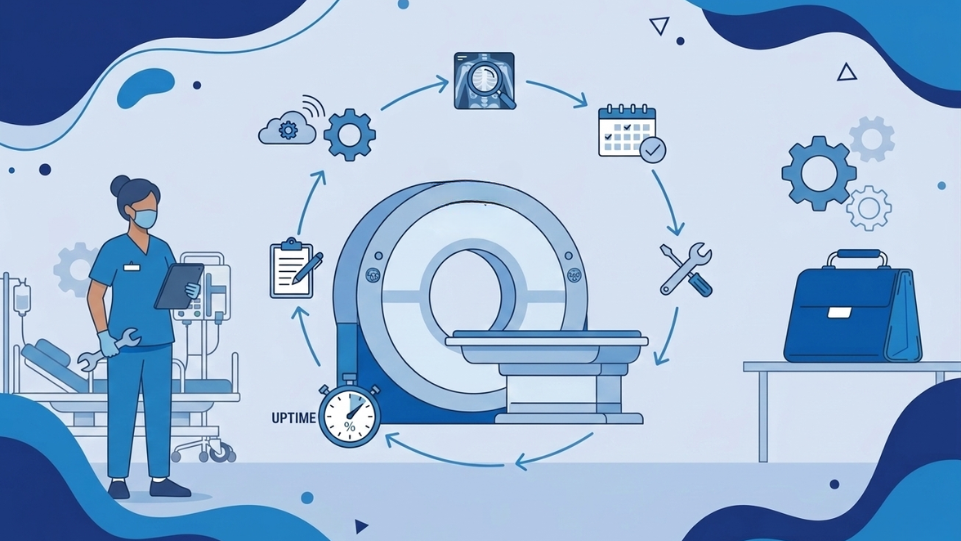
Medical imaging equipment maintenance is one of the most critical — and complex — responsibilities for biomedical and field service teams. From MRI and CT scanners to X-ray and ultrasound systems, these assets require precise, consistent care to ensure uptime, compliance, and diagnostic accuracy.
But as service operations grow, many teams struggle to keep imaging equipment maintenance organized, proactive, and scalable.
In this guide, we’ll break down how to track and optimize medical imaging equipment maintenance so your team can reduce downtime, improve performance, and stay ahead of compliance requirements.
What Is Medical Imaging Equipment Maintenance?
Medical imaging equipment maintenance refers to the ongoing process of inspecting, servicing, calibrating, and repairing diagnostic imaging systems to ensure they operate safely and accurately.
This includes:
- Routine preventative maintenance (PM)
- Calibration and performance testing
- Software updates and system checks
- Repair and parts replacement
- Documentation and compliance tracking
A structured approach ensures imaging systems continue to produce high-quality diagnostic results while minimizing risk to patients and staff.
Why Imaging Equipment Maintenance Matters
Medical imaging systems are highly sensitive and performance critical. Poor maintenance doesn’t just cause downtime — it can impact patient outcomes.
Effective medical imaging equipment maintenance helps:
- Maintain diagnostic accuracy through proper calibration and QA
- Reduce unplanned downtime and service disruptions
- Extend equipment lifespan through proactive care
- Ensure compliance with regulatory and accreditation standards
Even small issues, like skipped calibration or delayed repairs, can lead to inaccurate imaging or system failure over time.
Common Challenges in Medical Imaging Equipment Maintenance
Many imaging service teams face similar operational challenges:
Disconnected Service Records
Maintenance logs, repair history, and calibration data often live in different systems (or spreadsheets), making it difficult to get a complete picture.
Reactive Maintenance Habits
Without structured scheduling, teams end up responding to failures instead of preventing them.
Lack of Visibility Across Assets
As fleets grow across multiple sites, it becomes harder to track what’s been serviced and what’s overdue.
Inconsistent Documentation
Missing or incomplete service records can create compliance risks and slow down audits.
Manual Processes That Don’tScale
Paper-based or manual workflows make it difficult to manage high volumes of imaging equipment efficiently.
Best Practices to Optimize Imaging Equipment Maintenance
Implement a Preventative Maintenance Schedule
A structured PM schedule is the foundation of effective imaging equipment maintenance.
Best practices include:
- Daily, weekly, monthly, and annual maintenance intervals
- Routine inspections, cleaning, and calibration
- Planned component replacement before failure
Consistent scheduling helps identify issues early and avoid costly breakdowns.
Prioritize Calibration and Quality Assurance
Calibration is essential to ensure imaging systems produce accurate, reliable results.
Your QA process should include:
- Routine image quality checks
- Performance verification after repairs
- Regular calibration of sensors and imaging components
Skipping calibration can lead to poor image quality and compliance risks.
Track Equipment Usage and Performance
Understanding how equipment is used helps you predict maintenance needs.
Track:
- Usage frequency
- Downtime and failure rates
- Service history trends
Monitoring usage helps optimize service intervals and prevent over- or under-maintaining assets.
Maintain Detailed Service Documentation
Documentation is critical for both operations and compliance.
You should record:
- All maintenance and repair activities
- Calibration results
- Parts replacements
- Technician notes and observations
Accurate records support audits, troubleshooting, and long-term planning.
Train Technicians and Operators
Improper use is a leading cause of equipment damage.
Ensure teams are trained on:
- Proper startup and shutdown procedures
- Handling sensitive components
- Identifying early warning signs
Well-trained staff can prevent avoidable failures and extend equipment life.
Replace Parts Proactively
Many imaging components have predictable lifecycles.
Proactive replacement:
- Prevents sudden system failures
- Protects surrounding components
- Maintains consistent performance
Waiting too long can lead to cascading failures and higher repair costs.
How to Track Medical Imaging Equipment Maintenance Effectively
As your operation grows, spreadsheets and manual tracking become unsustainable. To truly optimize medical imaging equipment maintenance, you need a system that centralizes and automates your workflows.
Key Capabilities to Look For
An effective system should allow you to:
- Track assets by serial number, model, and location
- Maintain full service and maintenance history
- Schedule recurring preventative maintenance automatically
- Store calibration records and compliance documentation
- Link work orders directly to specific equipment
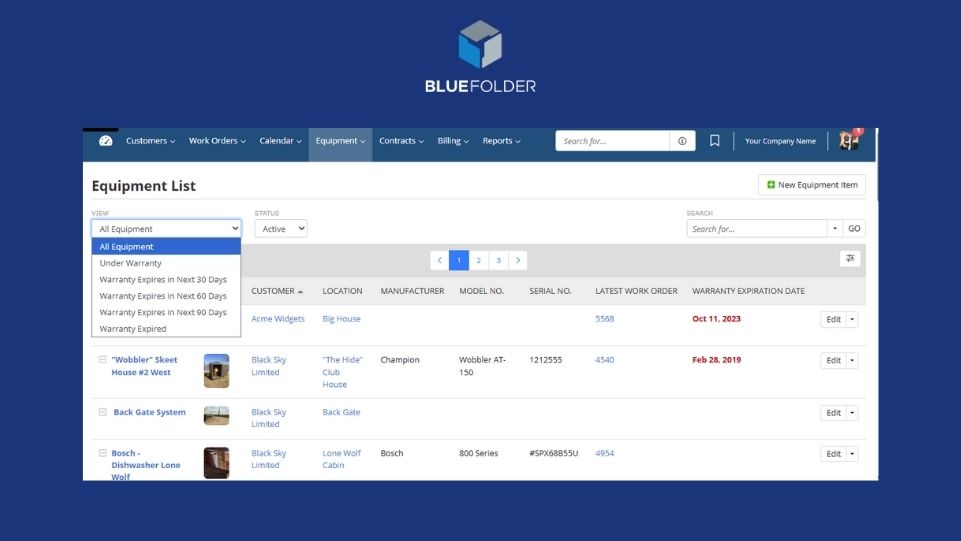
- Monitor warranties and service contracts
How Software Improves Imaging Equipment Maintenance
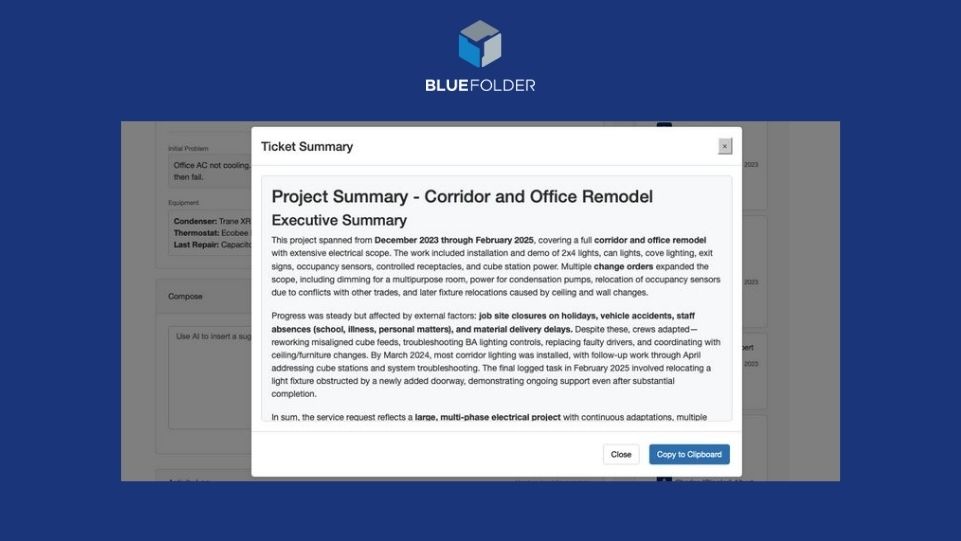
Modern field service management platforms like BlueFolder help imaging service teams move from reactive to proactive maintenance.
With the right system, you can:
- Centralize All Equipment Data – Keep asset records, service history, and documentation in one place.
- Automate Preventative Maintenance – Generate recurring work orders based on schedules, usage, or contract terms.
- Improve Visibility Across Your Operation – Instantly see which assets are overdue, in service, or under warranty.
- Strengthen Compliance and Audit Readiness – Maintain complete, traceable records for every piece of equipment.
- Reduce Downtime and Improve Efficiency – Ensure technicians have the information they need before they arrive on-site.
The Bottom Line
Medical imaging equipment maintenance isn’t just about keeping machines running — it’s about ensuring diagnostic accuracy, patient safety, and operational efficiency.
By combining structured preventative maintenance, strong documentation practices, and the right technology, service teams can:
- Reduce downtime
- Improve service quality
- Extend equipment lifespan
- Scale operations with confidence
If you’re still relying on manual processes, now is the time to modernize your approach to imaging equipment maintenance.
FAQs: Medical Imaging Equipment Maintenance
What is medical imaging equipment maintenance?
Medical imaging equipment maintenance is the process of inspecting, servicing, calibrating, and repairing diagnostic imaging systems such as MRI, CT, X-ray, and ultrasound machines. It includes preventative maintenance, performance testing, and documentation to ensure accuracy, safety, and compliance.
How often should medical imaging equipment be maintained?
The frequency of medical imaging equipment maintenance depends on the device type, manufacturer recommendations, and usage levels. Most systems require:
- Daily or weekly visual checks
- Monthly or quarterly preventative maintenance
- Annual inspections and calibration
High-use imaging equipment may require more frequent servicing to maintain performance and reliability.
Why is imaging equipment maintenance important?
Imaging equipment maintenance is critical to ensure accurate diagnostic results, minimize downtime, and maintain compliance with healthcare regulations. Poorly maintained equipment can lead to image quality issues, delayed diagnoses, and increased repair costs.
What are examples of medical imaging equipment that require maintenance?
Common types of equipment that require regular imaging equipment maintenance include:
- MRI (Magnetic Resonance Imaging) systems
- CT (Computed Tomography) scanners
- X-ray machines
- Ultrasound systems
- Mammography equipment
- Fluoroscopy systems
Each system has unique maintenance requirements based on its technology and usage.
What happens if imaging equipment is not properly maintained?
Failure to properly maintain imaging equipment can result in:
- Equipment breakdowns and unplanned downtime
- Poor image quality and inaccurate diagnostics
- Higher repair and replacement costs
- Compliance risks during inspections or audits
- Shortened equipment lifespan
What is included in a medical imaging equipment maintenance checklist?
A typical medical imaging equipment maintenance checklist includes:
- System inspections and cleaning
- Calibration and quality assurance testing
- Software updates and system checks
- Parts inspection and replacement
- Documentation of service history and performance
How do you track medical imaging equipment maintenance?
Medical imaging equipment maintenance can be tracked using field service management or asset tracking software. These systems allow teams to:
- Store equipment records and service history
- Schedule recurring preventative maintenance
- Track work orders and technician activity
- Monitor warranties and compliance documentation
What software is best for imaging equipment maintenance?
The best software for imaging equipment maintenance is one that centralizes asset tracking, automates preventative maintenance scheduling, and provides full visibility into service history and performance. Solutions like BlueFolder help service teams manage complex equipment fleets more efficiently.
How can you optimize medical imaging equipment maintenance?
To optimize medical imaging equipment maintenance:
- Implement a structured preventative maintenance schedule
- Track equipment performance and usage
- Maintain detailed service records
- Use software to automate workflows and improve visibility
- Train technicians and standardize procedures
What is the difference between preventative and corrective maintenance?
Preventative maintenance is performed on a scheduled basis to prevent failures, while corrective maintenance occurs after equipment has already failed. A strong imaging equipment maintenance strategy prioritizes preventative maintenance to reduce downtime and costs.